Understanding Insulin Resistance: A Prelude to Diabetes
Understanding Insulin Resistance and how early detection is good for your long term health!
MM Miller
12/18/20253 min read
Understanding Insulin Resistance
One out of every three people are insulin resistant and have no idea. This is not something that doctors talk to you about until you are have early signs of diabetes. Don't be fooled, you can be insulin resistant and have a normal finger stick test. Some symptoms may include weight gain or trouble losing weight, especially around the mid section; increased hunger, fatigue, surgery cravings, high blood pressure, menstrual irregularities and or PCOS in women, dark patches of the skin, skin tags, and trouble sleeping.
Insulin is a hormone produced by the pancreas that facilitates the uptake of glucose from the bloodstream into cells for use as energy or storage. In simple terms, insulin resistance occurs when the cells in your body—such as those in muscles, fat, and the liver—fail to respond to insulin effectively. The body's cells become less responsive to the hormone insulin, which is essential for regulating blood sugar levels. As a result, the pancreas produces more insulin to compensate, leading to elevated insulin levels in the bloodstream. Understanding insulin resistance is crucial, as it plays a significant role in various health complications, including obesity, type 2 diabetes, and cardiovascular diseases.
As insulin resistance continues to run rampid in your body, glucose remains in the bloodstream, leading to higher blood sugar levels. Over time, this can result in the pancreas working overtime to produce more insulin, creating a cycle of insulin overproduction and further exacerbating resistance and eventually turning into type II diabetes.
Testing for insulin resistance is valuable for several reasons:
- Early Detection: Identifying insulin resistance before it progresses to type 2 diabetes or other serious health issues can allow for early intervention through dietary and lifestyle changes.
- Personalized Treatment: Understanding your insulin sensitivity can help healthcare providers create tailored treatment plans that may include dietary changes, physical activity recommendations, and medications.
- Preventing Complications: By managing insulin resistance, you can lower your risk for developing associated health conditions such as diabetes, pcos, metabolic syndrome, cardiovascular disease, and fatty liver disease.
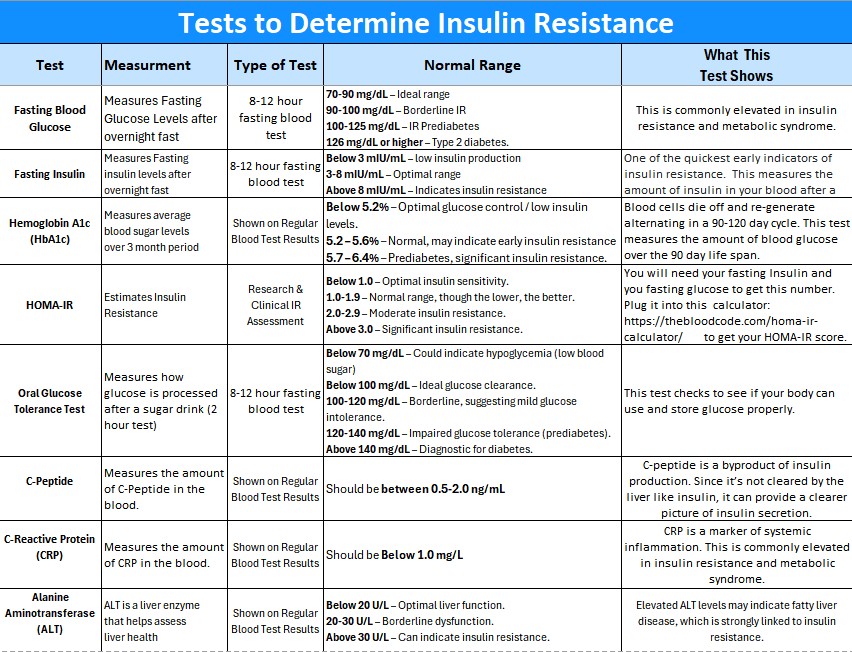
There are several tests that can indicate whether an individual is insulin resistant. Understanding each of these tests can help in monitoring and managing insulin resistance:
If left unmanaged, insulin resistance can lead to a plethora of health issues, including:
- Type 2 Diabetes: This is the most common consequence of prolonged insulin resistance, where the body is unable to maintain normal blood sugar levels.
- Cardiovascular Disease: Insulin resistance is associated with an increased risk of developing heart disease due to higher levels of triglycerides, lower HDL cholesterol, and increased blood pressure.
- Obesity: Insulin resistance is both a contributor to and a consequence of obesity, creating a cycle that can be challenging to break.
- Fatty Liver Disease: Nonalcoholic fatty liver disease is often linked to insulin resistance, leading to fat accumulation in the liver.
- Hormonal Imbalances: Conditions such as polycystic ovary syndrome (PCOS) are associated with insulin resistance and can affect reproductive health and metabolic function. Insulin is a hormone. If you insulin hormone is to high in your bloodstream, it can throw off you other hormones such as estrogen and progesterone, which make it harder to become pregnant or carry a pregnancy to term.
- Sleep Apnea: Insulin resistance can also contribute to conditions such as obstructive sleep apnea, which may further complicate heart health and metabolic function.
Understanding insulin resistance is vital for managing your overall health. Regular testing can promote early detection and intervention, significantly reducing the risk of serious health conditions. If you suspect you may be insulin resistant, consult your healthcare provider for a thorough assessment and to discuss the best steps forward for your health and wellness.