
Are you Magnesium Deficient?
What are the health benefits of Magnesium
MM Miller
8/18/20253 min read
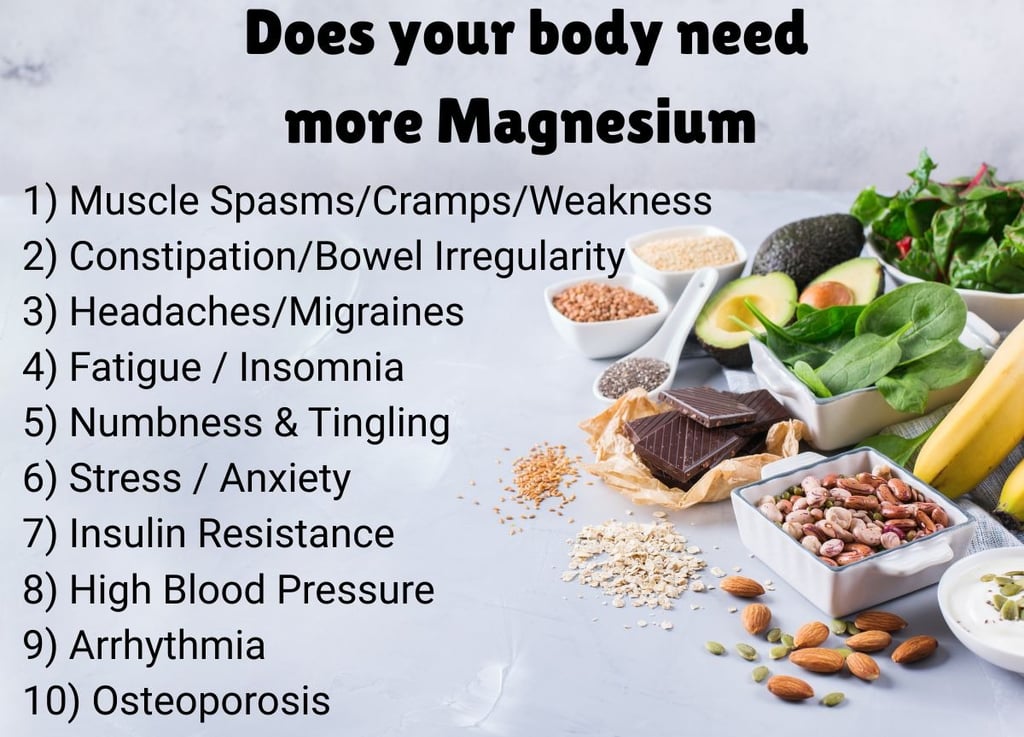

The Health Benefits of Magnesium: A Comprehensive Overview Magnesium is often underestimated, yet it plays a vital role in various bodily functions, influencing everything from muscle contraction to bone health. As a crucial mineral, magnesium is involved in over 300 enzymatic reactions in the body, making it essential for maintaining overall wellness. About 50% of people do not get enough magnesium in their diets and about 30% are magnesium deficient. Here, we explore some of the symptoms you might be experiencing and the significant health benefits of magnesium.
Muscle Cramps and Weakness - Magnesium is essential for proper muscular function. It helps regulate muscle contractions and relaxation. A deficiency in magnesium can lead to muscle cramps and weakness, particularly during physical activity or at night. Increasing magnesium intake can alleviate these cramps by supporting proper muscle function and reducing neuromuscular excitability. Foods rich in magnesium, such as nuts, seeds, leafy greens, and whole grains, are often recommended to help prevent and treat muscle cramps.
Constipation - Constipation and bowel irregularity can be a frustrating condition that affects many individuals. Magnesium facilitates normal bowel function by relaxing the muscles in the digestive tract and attracting water into the intestines, which helps to soften stools. Adequate magnesium levels can promote regularity and ease, making it an essential mineral for digestive health. Supplementing with magnesium citrate or adding magnesium-rich foods to one's diet can significantly improve bowel movement regularity. I really wish doctors would tell you this instead of recommending a laxative. It is always better to take the natural approach.
Migraines - For those suffering from migraines, magnesium may offer some relief. Studies suggest that magnesium deficiency may be linked to the frequency and severity of migraines. By regulating neurotransmitter function and reducing inflammation, magnesium can help alleviate headache symptoms. Some research indicates that magnesium supplementation may significantly reduce the frequency of migraine attacks, providing patients with a natural alternative to pharmaceutical treatments.
Insomnia - Sleep disturbances, including insomnia, can be exacerbated by low magnesium levels. Magnesium aids in regulating melatonin, the hormone responsible for sleep cycles. By helping to quiet the nervous system and promote relaxation, magnesium can improve sleep quality. People suffering from insomnia may benefit from incorporating magnesium-rich foods or supplements into their nightly routine, potentially leading to more restful and rejuvenating sleep.
Numbness and Tingling - Numbness and tingling sensations, often linked with nerve health, can result from a deficiency in magnesium. Magnesium is involved in nerve transmission and the maintenance of nerve function. Insufficient levels may lead to increased nerve excitability, resulting in uncomfortable sensations. Ensuring adequate magnesium intake may help mitigate these symptoms and restore normal nerve function, improving overall quality of life.
Stress and Anxiety - In an increasingly stressful world, maintaining mental health is critical. Magnesium has a calming effect on the nervous system, which can help alleviate symptoms of stress and anxiety. It plays a role in regulating cortisol levels, a hormone associated with stress response. Supplementing with magnesium or consuming magnesium-rich foods can help stabilize mood and promote relaxation, making it a beneficial mineral for those dealing with anxiety.
Insulin Resistance - Insulin resistance is a growing health concern linked to metabolic syndrome and type 2 diabetes. Magnesium plays a key role in glucose metabolism and insulin sensitivity. Low magnesium levels have been associated with decreased insulin sensitivity and an increased risk of developing diabetes. Addressing magnesium deficiency through dietary changes or supplementation may improve insulin function and overall metabolic health.
High Blood - Pressure Hypertension, or high blood pressure, poses serious health risks, including heart disease and stroke. Research suggests that magnesium may help lower blood pressure levels. It promotes vasodilation, or the widening of blood vessels, improving blood flow and reducing resistance. Adequate magnesium intake has been associated with lower blood pressure readings, making it a potential component of blood pressure management strategies.
Arrhythmia - Magnesium plays a critical role in heart health. It helps regulate heart rhythm and is essential for maintaining a healthy cardiovascular system. A deficiency in magnesium can lead to arrhythmias or irregular heartbeats. Ensuring adequate magnesium intake can help maintain optimal heart function and potentially reduce the risk of cardiac issues. Foods such as legumes, nuts, seeds, and whole grains are excellent sources of magnesium that can contribute to heart health.
Osteoporosis - Bone health is significantly influenced by magnesium levels. Magnesium assists with the formation of bone tissue and helps regulate calcium levels, which is crucial for bone density and strength. Individuals with insufficient magnesium intake are at a higher risk of developing osteoporosis, a condition characterized by weakened bones and increased fracture risk. Incorporating magnesium-rich foods into the diet, alongside calcium and vitamin D, is essential for maintaining strong bones throughout life.
Conclusion Magnesium is a powerhouse mineral that supports a myriad of bodily functions. From aiding muscle function and promoting digestive health to reducing stress and enhancing heart health, the benefits of magnesium are extensive. If you're concerned about your magnesium levels, consider discussing dietary or supplemental options with a healthcare provider to reap the health benefits of this essential mineral.